
N° 01
The First 20
Geier emphasizes the crucial nature of taking the first steps in any journey, framing these initial actions as key to personal growth and exploration amidst uncertainties that lie ahead.

Print + eBook + Audiobook
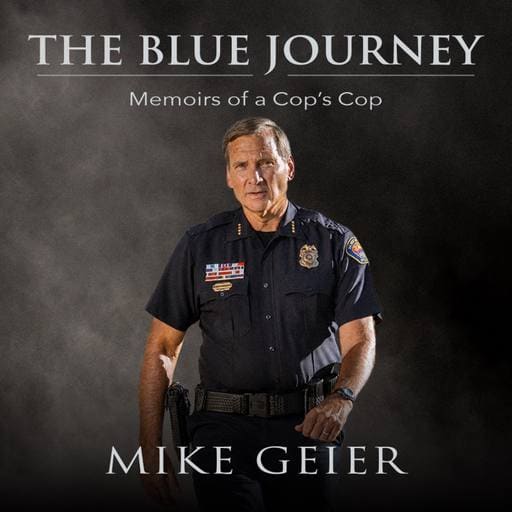
Memoirs of a Cop's Cop
“I am privileged to have met Mike Geier years ago through a partnership with our non-profit organization. Throughout the years, I have found Mike to be a man of great integrity and compassion, and is one who deeply loves his community, in uniform and out. Through Mike's story, The Blue Journey, one will witness a powerful example of what it looks like to persist in one's calling, no matter what challenges lie ahead. Mike's memoirs prove that a heart to impact the world, coupled with unwavering faith, strong work ethic, and great determination will leave a beautiful legacy that will go on for generations to come.”
Valerie Jameson
President and Founder, Stand True 4 Blue
“An actual 'cop's cop' book from start to finish. A refreshing life story about honor, integrity, and selfless service. Having known and worked for Chief Geier (Ret.) for many years, he is true to his word and cares deeply for others, as is exemplified through the pages of this fantastic book.”
Adam Anaya
Deputy Commander, Albuquerque, NM Police Department; Chief Warrant Officer 2, New Mexico Army National Guard
Be first to read it
Behind every headline about crime, every police tape, every badge, there are human beings who chose to walk toward the danger everyone else runs from. Most people see law enforcement from the outside, through a windshield or a news screen. What they rarely see is the weight of the years, the calls that never leave you, the slow climb from patrol officer to the desk where the hardest decisions land. Mike Geier lived all of it, and The Blue Journey is his account of a career built from the ground up, ending at the chief of police of APD. This is not a polished institutional story. It is raw and real, the kind of account that can only come from someone who was actually there. Geier writes from inside the work, the crime scenes, the politics, the grief, and the moments of unexpected grace that keep good officers going. He does not dress it up. He tells you what it cost and what it meant. You do not need to agree with every decision, or understand every call, to finish this book with something you did not have before: genuine respect for the people who put on the uniform and stay. That respect is not complicated to give. It only takes knowing the truth.
Geier emphasizes the crucial nature of taking the first steps in any journey, framing these initial actions as key to personal growth and exploration amidst uncertainties that lie ahead.
Exploring the interplay of choice and fate, Geier reflects on pivotal moments from his youth, detailing his journey toward becoming a police officer and the lessons learned from both missteps and successes.
With excitement and pride, Geier recounts his first day as a police officer, sharing the camaraderie he built with colleagues and the challenges that defined his early experiences on the job.
Geier reflects on his dedication to law enforcement during critical moments of his early career, underscoring the emotional challenges he faced while honoring the legacy of fallen officers.
Navigating the complexities of juvenile crime as a detective, Geier shares significant cases and highlights the importance of respectful treatment and procedural justice in his interactions with youth.
Geier recalls his return to street patrol, illustrating resilience and adaptability as he confronts various incidents and collaborates with younger officers to combat rising crime.
As a newly promoted sergeant, Geier emphasizes leadership, community policing, and the importance of trust-building as he navigates the challenges of managing officers and dynamic police work.
Geier reflects on his leadership journey, advocating for modernized police training and ethical practices while sharing personal anecdotes that shaped his commitment to serving the community.
Experiencing personal and professional growth, Geier revitalizes himself during a break in Florida, returning to intensified enforcement efforts that lead to significant community protection achievements.
Geier begins to explore new opportunities and personal development, hinting at insights about navigating challenges and embracing the excitement of pursued paths.
Reflecting on a significant transition, Geier shares the emotional challenges and determination faced as he becomes the oldest rookie at the Albuquerque Police Academy, ultimately excelling in his training.
Geier recounts gripping encounters that highlight the complexities of law enforcement, including a harrowing standoff with a suicidal youth. These narratives reveal his evolving understanding of police work amidst significant psychological challenges and the ever-present danger of the job.
Geier shares his experiences during night shifts with the Northeast Area Command, detailing tense encounters and the psychological toll of policing. He emphasizes personal accountability and the journey of proving oneself through action, inspired by the mentorship he received.
Geier immerses readers in the complexities of gang life in Albuquerque, detailing his work in the Gang Unit and efforts to educate the community. The chapter provides a raw look at a significant case and highlights the personal toll of policing amid gang violence.
Sergeant Matt Lyons narrates the emotional challenges of negotiating life-threatening situations, showcasing how empathy and communication can save lives. He advocates for compassionate policing approaches, emphasizing the importance of understanding over force.
Geier underscores the value of continuous learning and mentorship in law enforcement, sharing insights from his rise through the ranks. His commitment to community safety and personal growth drives initiatives like the successful Party Patrol program.
Geier reflects on his promotion to Captain and the painful realities of violent crime, detailing significant cases such as the Arlington Molester and the West Mesa murders. He advocates for victim support and public awareness to combat the darkness of violence.
Mike Geier reflects on his challenging return as Area Commander in Albuquerque's Southeast Area Command, navigating high crime rates and community struggles while implementing innovative policing strategies and addressing internal misconduct to foster public trust.
As Geier embarks on his tenure as Chief of Police in Rio Rancho, he faces a resistant department while grappling with the profound loss of two officers, using their legacies to inspire reform and improve community relations amidst the challenges of law enforcement.
The narrative reaches its climax as Geier highlights the transformative journeys of key characters, exploring themes of redemption and connection as they confront their fears, culminating in significant personal revelations and a resolution of conflicts.
Mike Geier's ascension to Chief of Police in Albuquerque reveals his ambitious strategies for reforming the department, focusing on community policing and technological advancements to ensure accountability and public safety amid rising crime rates.
Reflecting on a tumultuous final year, Mike Geier navigates the challenges of the COVID-19 pandemic and civil unrest, revealing the complexities of reforming police practices while contending with internal resistance and a deeply polarized political landscape.
Reflecting on a tragic accident that claimed the life of six-year-old Joel Muma, Geier navigates the complex aftermath as Interim Chief of Police in Albuquerque, forging a partnership with the Muma family to promote healing and reform within the department in Joel's honor.
Geier's final months as chief of the Albuquerque Police Department are marked by unprecedented challenges, including the pandemic and civil unrest, as he navigates systemic issues and critiques the detrimental effects of strict federal oversight on both officers and community safety.
Highlighting the role of humor in law enforcement, Geier shares personal anecdotes that illustrate how laughter serves as a crucial coping mechanism for officers facing the harsh realities of their job, fostering resilience and camaraderie amidst stress and trauma.
Geier reflects on his life and the enduring influence of his mother, emphasizing the values of perseverance and service she instilled in him. He poignantly shares memories of her support, culminating in a call to honor those connections that define true success.
Geier candidly discusses the challenges he faced in his final months as a police officer, shedding light on mismanagement and corruption that impacted his work. Through personal anecdotes, he seeks to convey the emotional toll of his experiences and the broader systemic issues within policing.
About the author
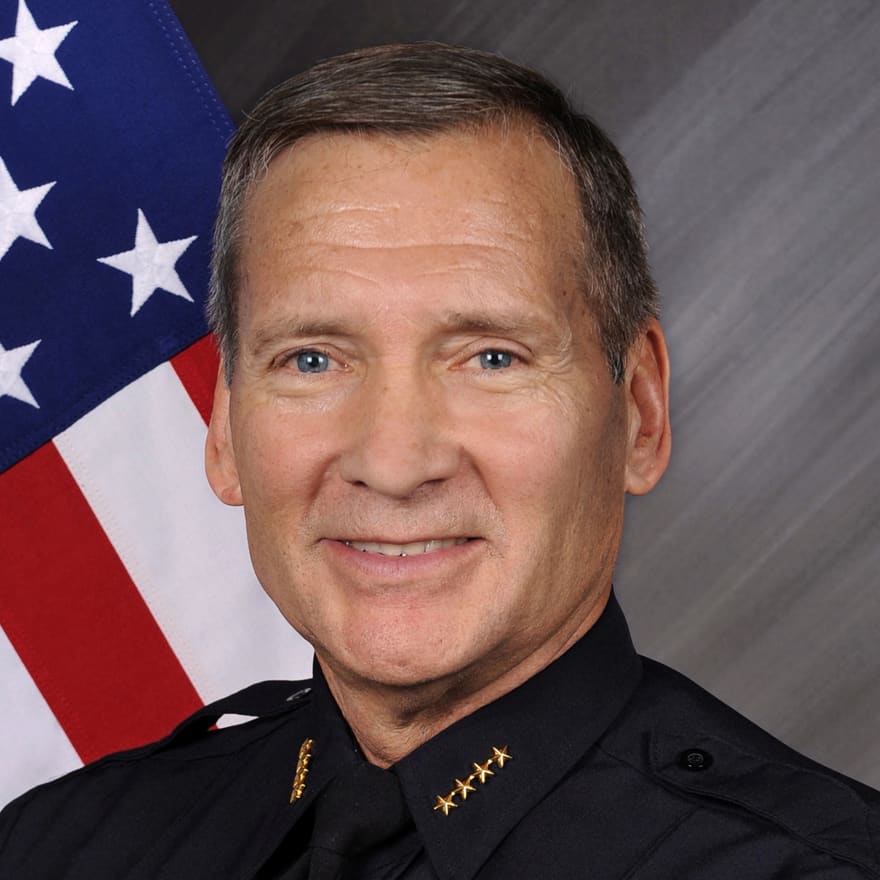
Former Chief of Police, ABQ, NM
Mike Geier is the former Chief of Police of the Albuquerque Police Department (APD), with a law enforcement career spanning nearly 47 years. He began his career in 1974 with the Wilmette, Illinois Police Department, retiring as a lieutenant after 20 years. He later joined APD, where he served in numerous leadership roles before becoming Chief of the Rio Rancho Police Department and ultimately returning to lead APD from 2017 to 2020. Throughout his career, Geier held key positions in anti-crime, gang enforcement, crisis negotiations, emergency response, violent crimes, and area command. As Chief, he helped drive crime reduction, strengthen community relations, reform use-of-force policies, and implement new public safety initiatives. Now retired, Mike remains active as a fitness enthusiast and competitor in national and international police Olympics. He is also a devoted husband, father, and grandfather.
More from Mike GeierFrom the book
Chapter 1 · The First 20
THE BLUE JOURNEY
Memoirs of a Cop’s Cop
Mike Geier